Environmental

Garbage
Our garbage collection occurs on Mondays, Wednesdays, and Fridays at 5:30 pm. Ensure your waste is ready for pick-up to maintain a clean environment for all.
Recycling Day
Recycling pick-up is every Thursday at 1:00 pm. Please have your recycling out and ready to go.
Keeping Our Community Clean
A clean community starts with each of us. Dispose of waste properly, recycle what you can, and pick up litter when you see it. Small actions add up — let's take care of our home together.Recycling

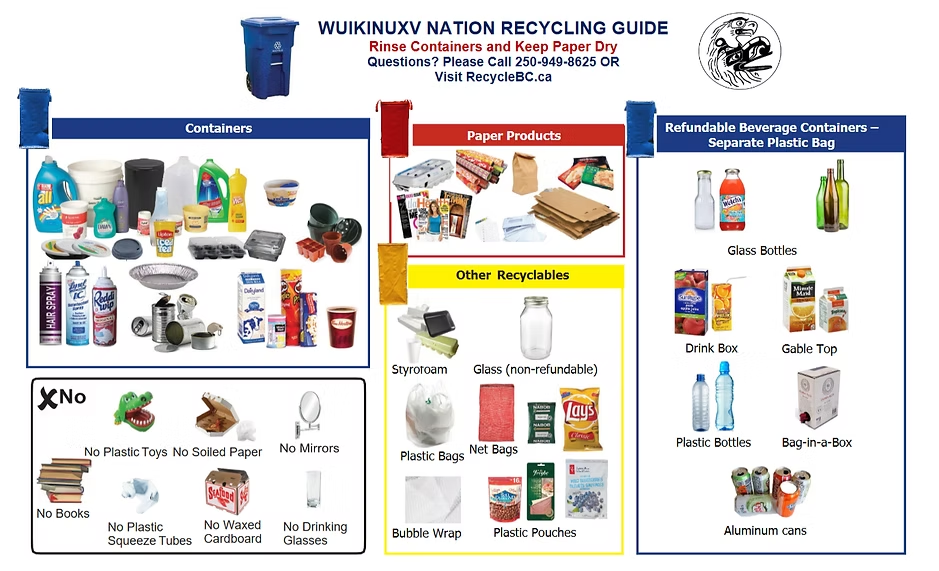
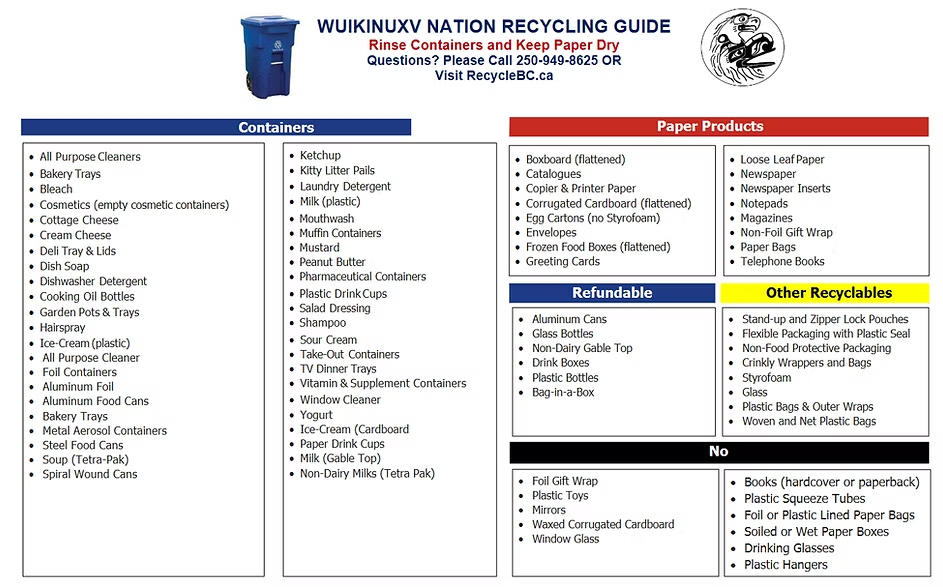
Recycling is one of the most impactful habits we can adopt to protect the environment and conserve natural resources. When we recycle materials like paper, plastic, glass, and metal, we reduce the need to extract raw materials, which lowers energy consumption, cuts greenhouse gas emissions, and decreases pollution. Recycling also diverts waste away from landfills, which can contaminate soil and groundwater and produce methane, a potent greenhouse gas. Beyond the environmental benefits, recycling supports the economy by creating jobs in collection, processing, and manufacturing industries — making it a simple yet powerful way for everyone to contribute to a more sustainable future.
Composting

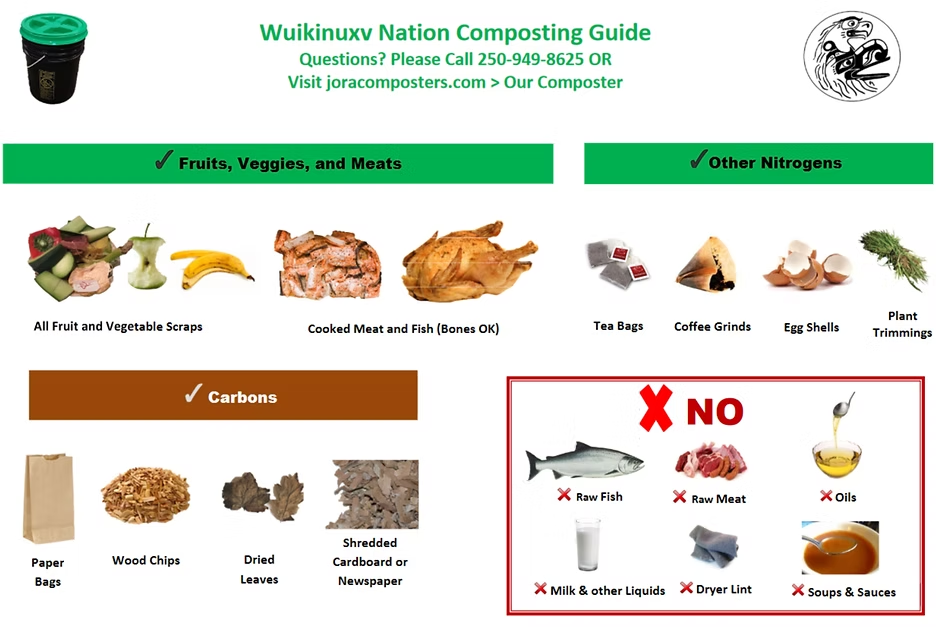
Composting is a natural and effective way to reduce waste while giving back to the earth. When organic materials like food scraps, yard waste, and coffee grounds are composted, they transform into nutrient-rich soil that nourishes gardens and farms. This keeps organic waste out of landfills, where it would otherwise produce methane, a harmful greenhouse gas. Compost also improves soil health and reduces the need for chemical fertilizers that can harm ecosystems. Whether done at home or through a community program, composting is a simple and rewarding practice that turns everyday waste into something valuable.